Aristotle’s Poetics Infographic

This is an infographic I made as an adjunct professor at California College of the Arts to explain elements of Aristotle’s Poetics. It can be hard for students to absorb an entire Greek treatise, but with this infographic, Aristotle’s wisdom is accessible. As an SVG file, this image remains high quality even as you zoom in.
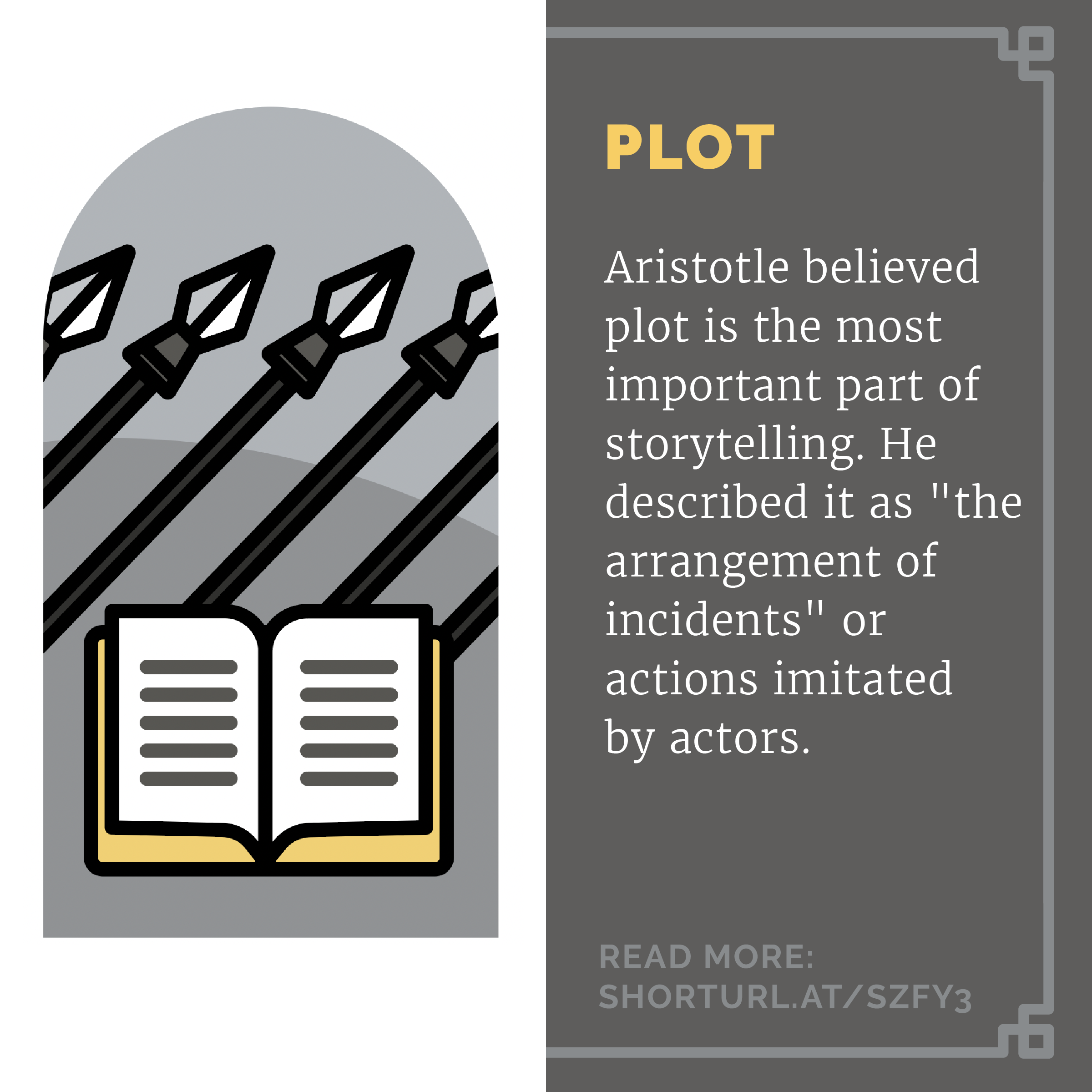
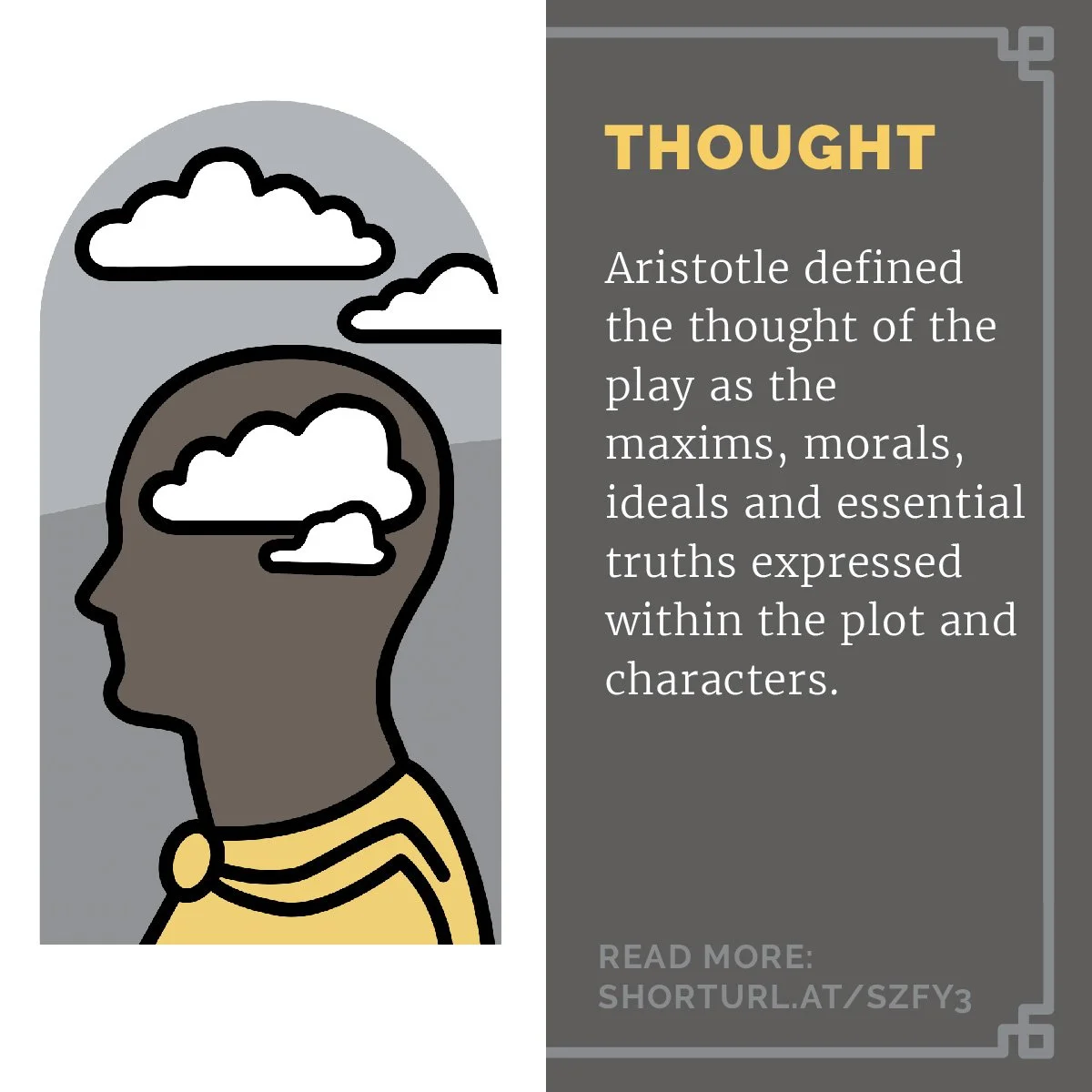
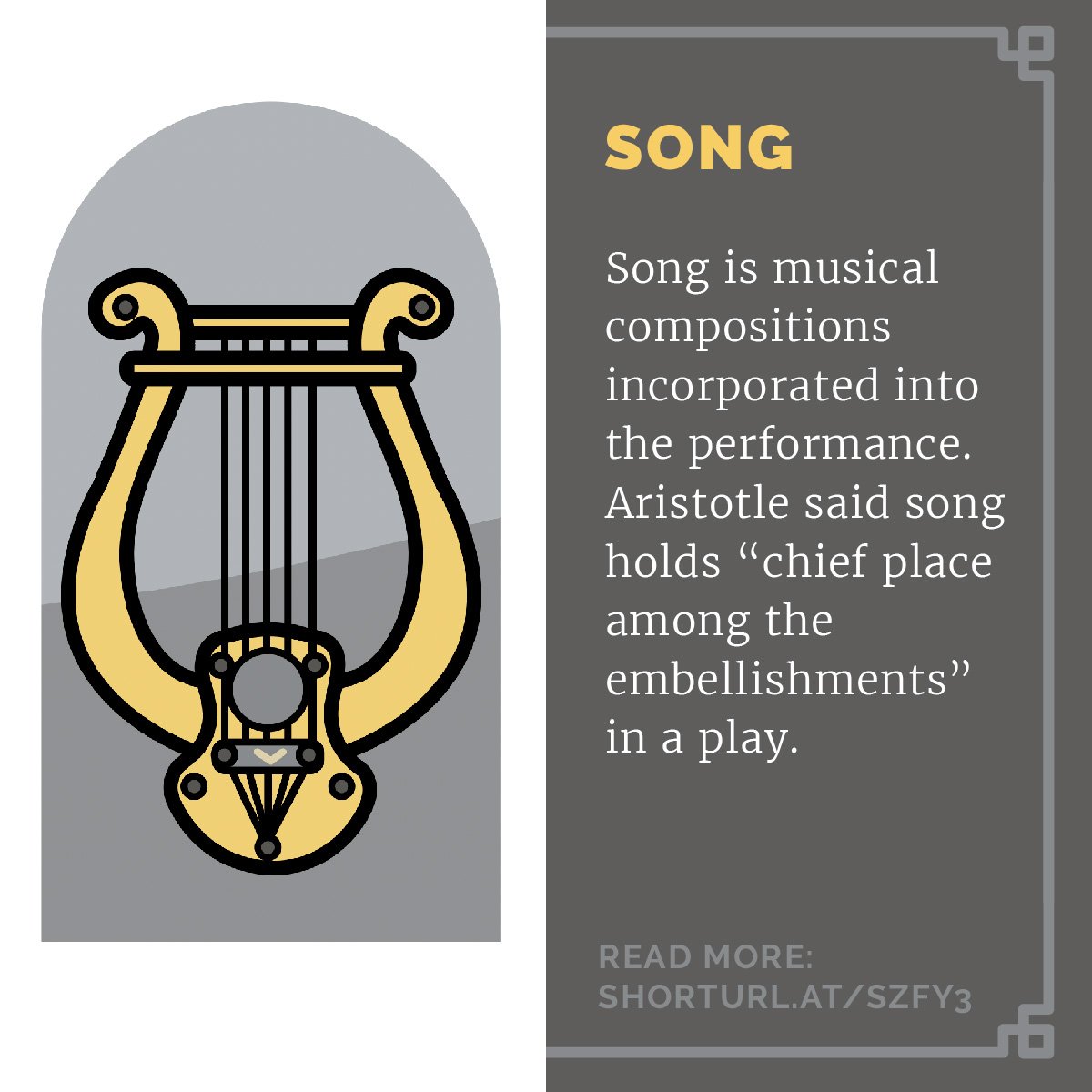
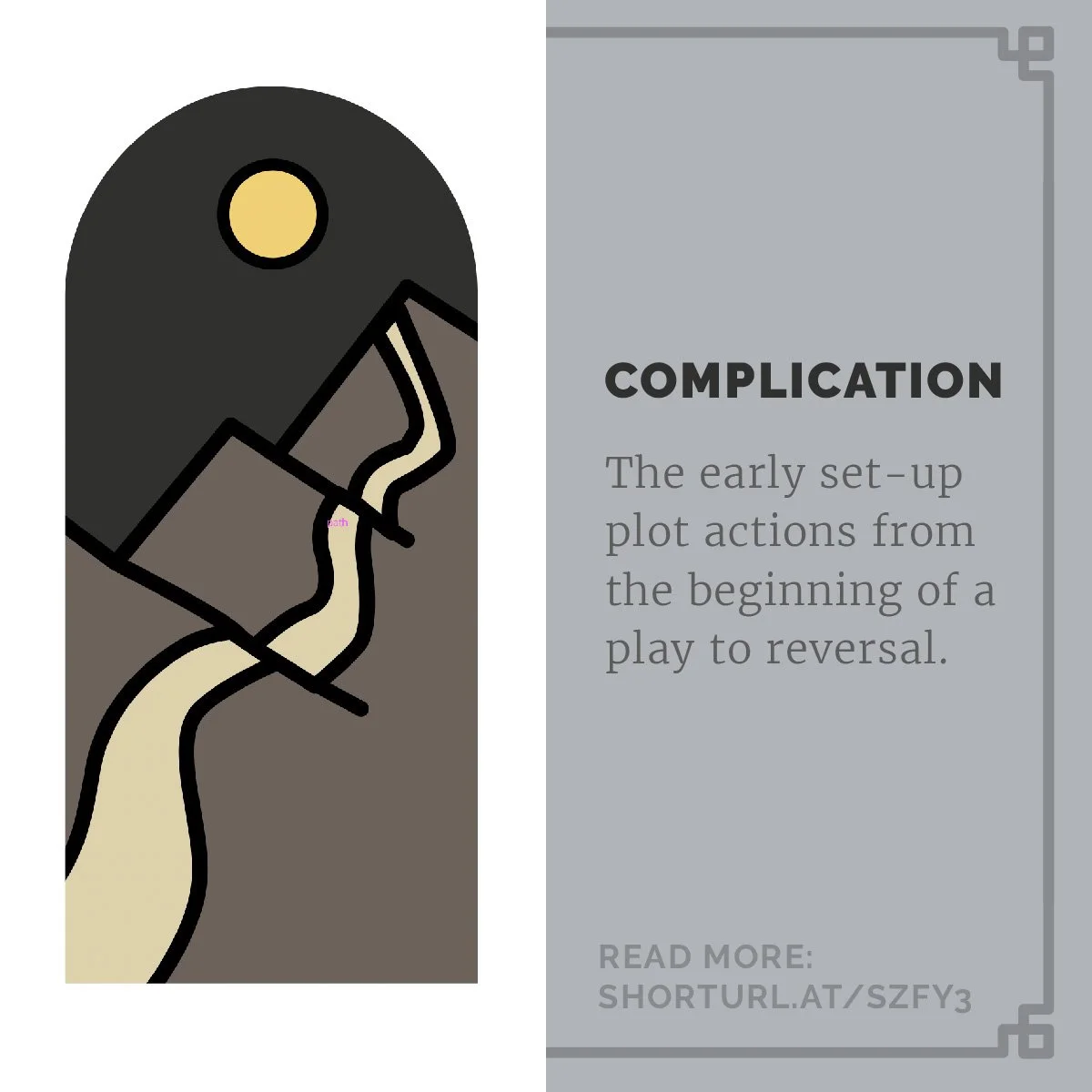
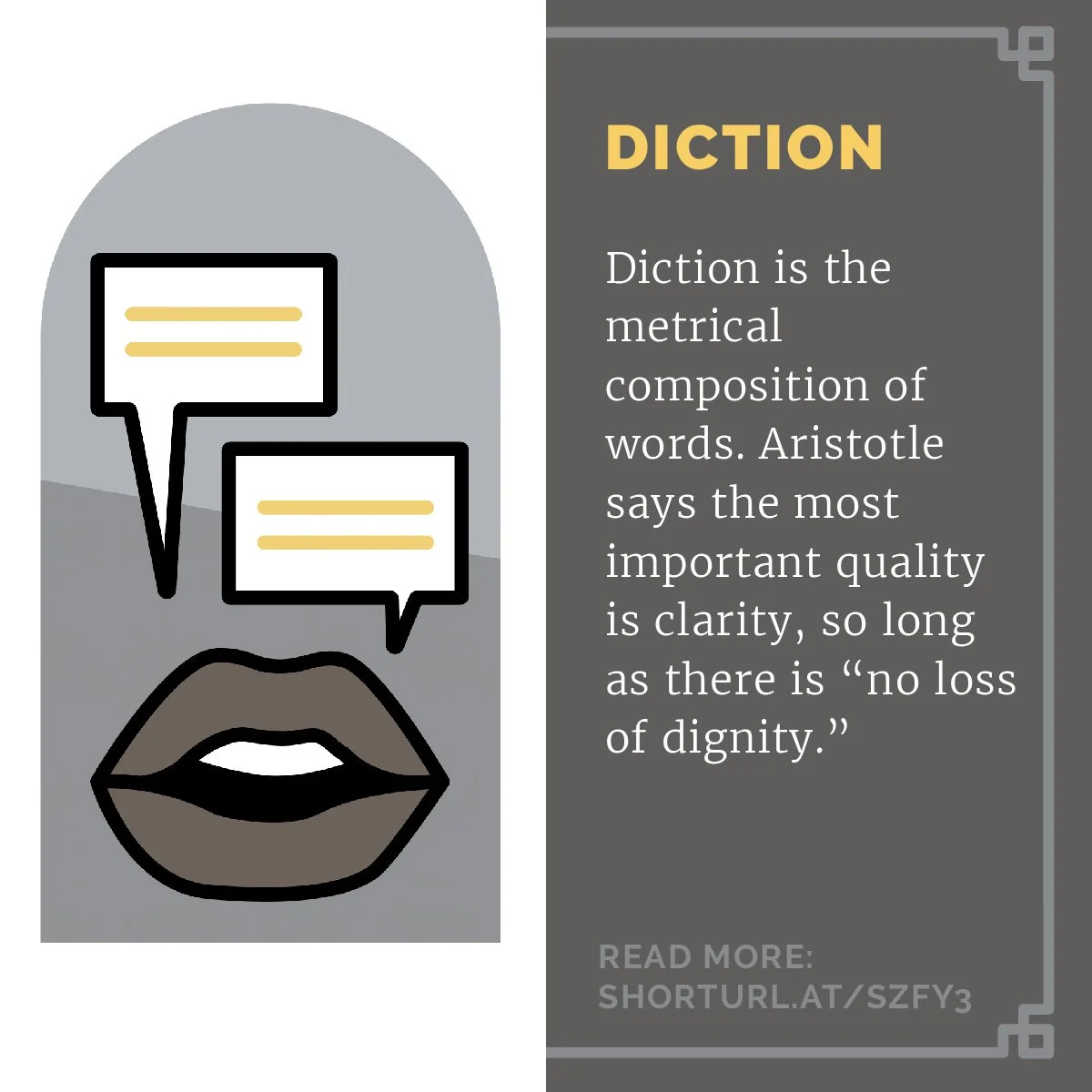
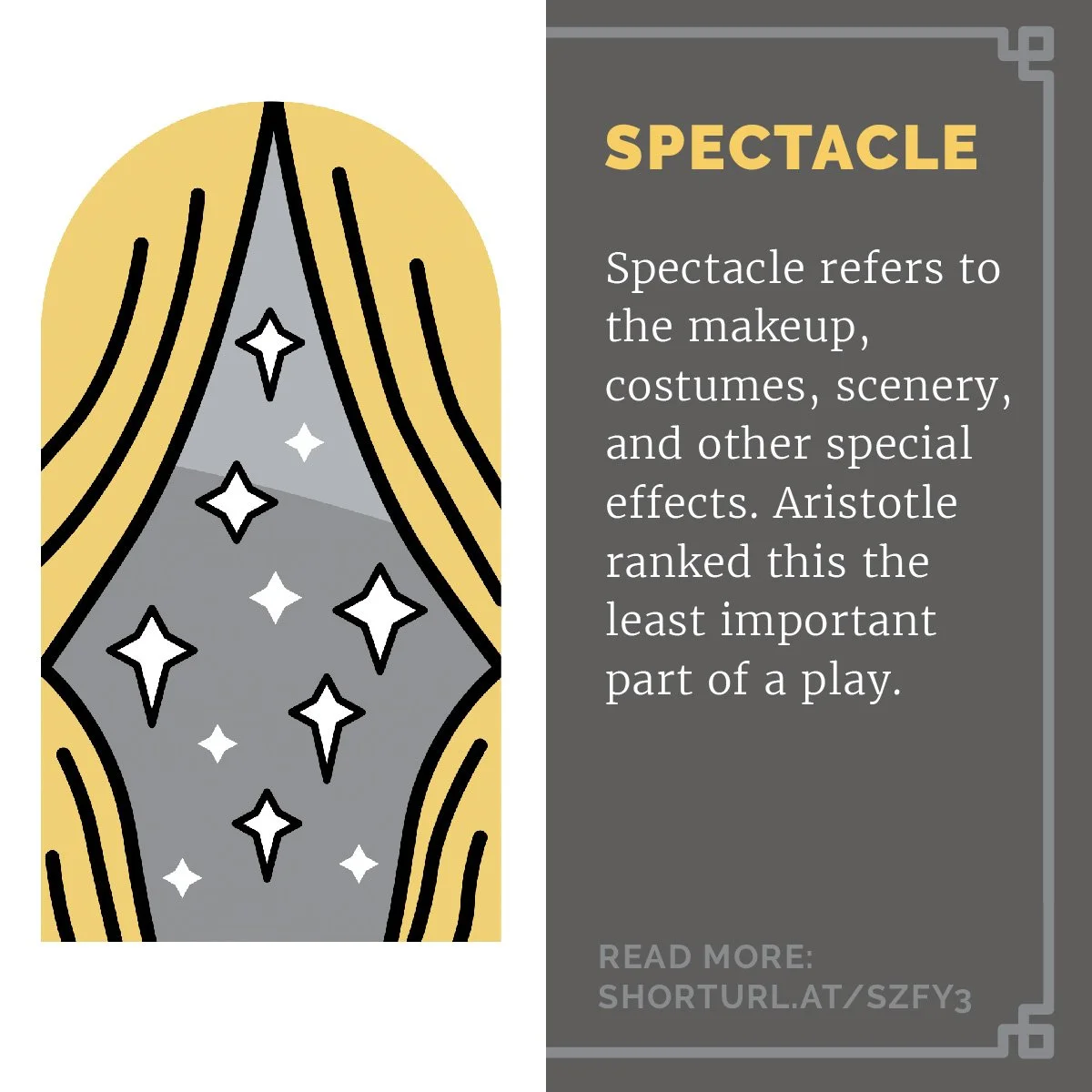
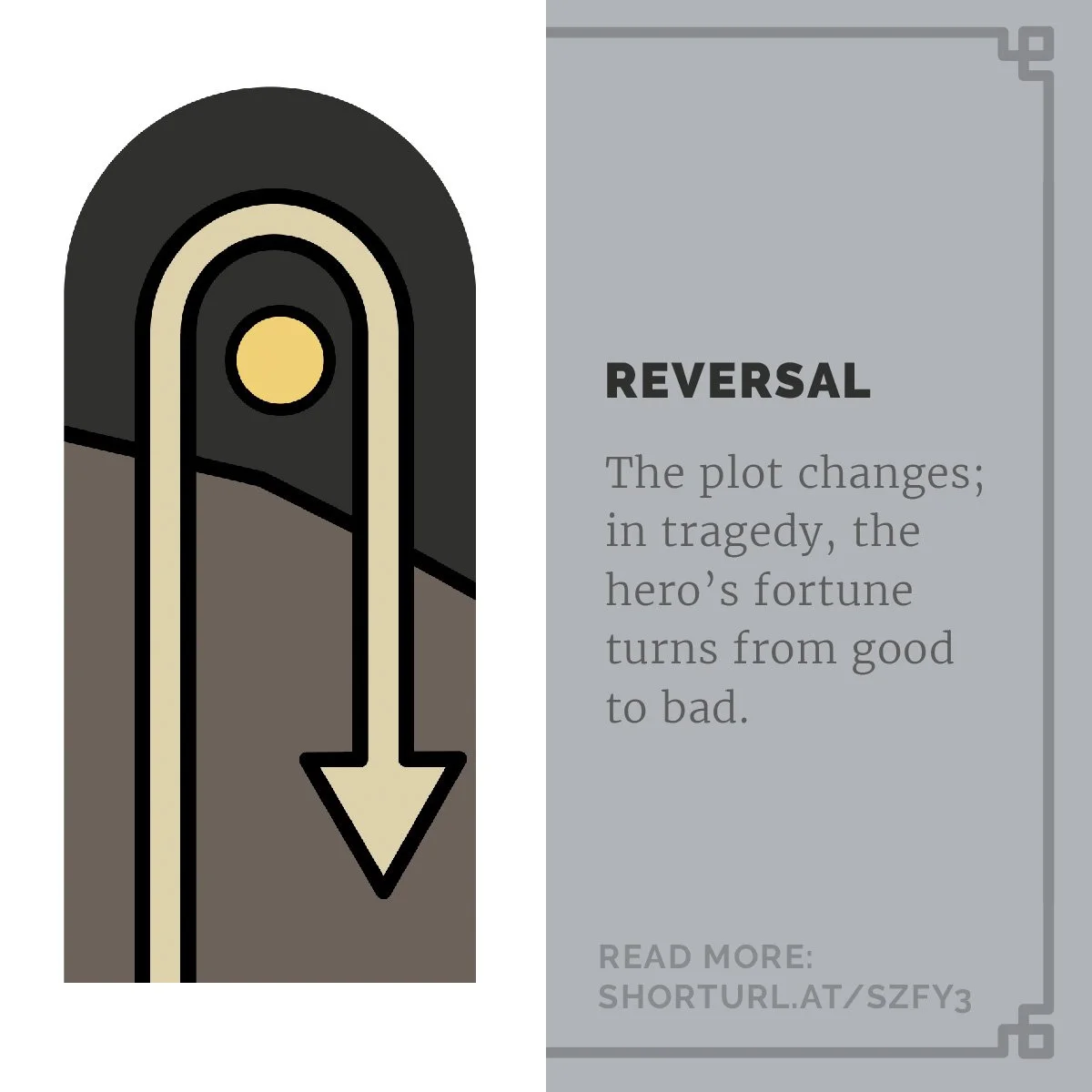
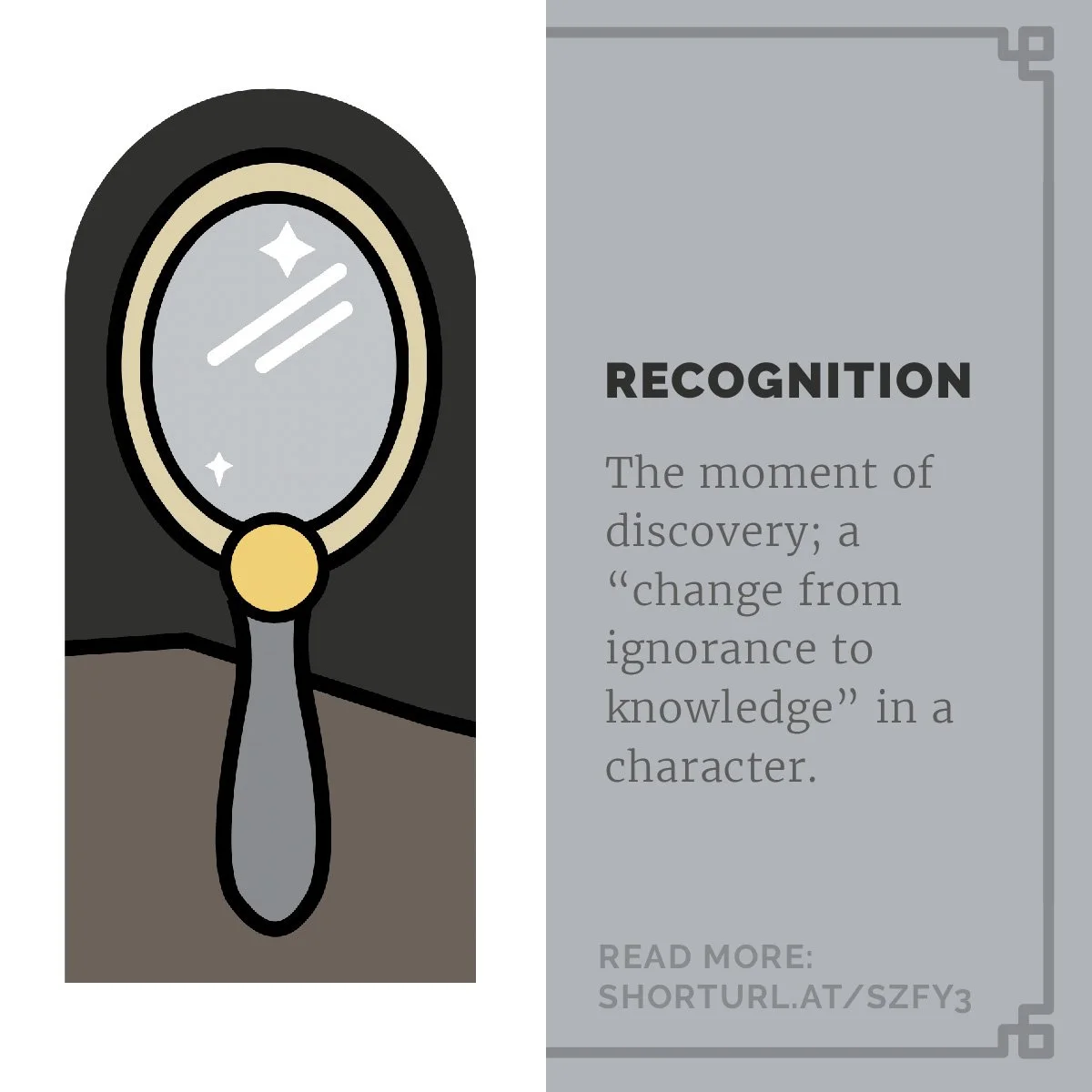
ADVANCED COMICSREAD POETICS HERE: SHORTURL.AT/SZFY3EMAIL ME: EGBEIER01@CCA.EDU(Peripeteia)(Pathos)(Anagnorisis)(Hamartia)ARISTOTLE’S POETICS6Parts of Tragedy5Elements of PlotPLOTCHARACTERTHOUGHTDICTIONSONGSPECTACLECOMPLICATIONREVERSALRECOGNITIONSUFFERINGCATHARSIS PITY AND FEAR FATAL FLAWHUBRISNEMESISCharacters are the people in the play. Aristotle argued they are informed by plot, not the reverse. They should have consistent virtues and qaulities. Song is musicalcompositions in-corporated into the performance. Aristotle said song holds chief place among the embellishments” in a play. Aristotle believed plot is the most important part of storytelling. He described it as "the arrangement of incidents" or actions imitated by actors. Reversal:The plot changes; in tragedy, the hero’s fortune turns from good to bad. Recognition:The moment of discovery; a change from ignorance to knowledge” in a character. Suffering:A disturbing scene “such as death on the stage, bodily agony, wounds, and the like.Catharsis:By seeing the tragedy, one is able to feel and then purge extreme emo-tions.Aristotle’s Definition of Tragedy: an imitation of an action that is serious, complete, and of a certain magnitude… in the form of action, not of narrative; through pity and fear effecting the proper purgation of these emotions.Aristotle’s Poetics is one of the oldest surviving treatises on literary and dramatic theory, dating from around 330 BCE. His ideas about tragic storytelling are still relevant today.Hamartia is a fatal flaw that causes the downfall of a tragic hero or heroine.